If you’re searching for a daily schedule for a 2 year old, you’re not alone. Most parents I’ve talked to hit the same wall – missed naps, mealtime battles, and toddler meltdowns that feel never-ending.
I’ve been there too, and I know how draining it gets.
In this guide, I’ll walk you through what a solid routine looks like, share a sample schedule you can use at home, cover daycare and classroom examples, and give you tips that actually work.
Structure makes a real difference – and I’m here to help you build one that fits your family.
What a Daily Schedule for 2 Year Old Should Include
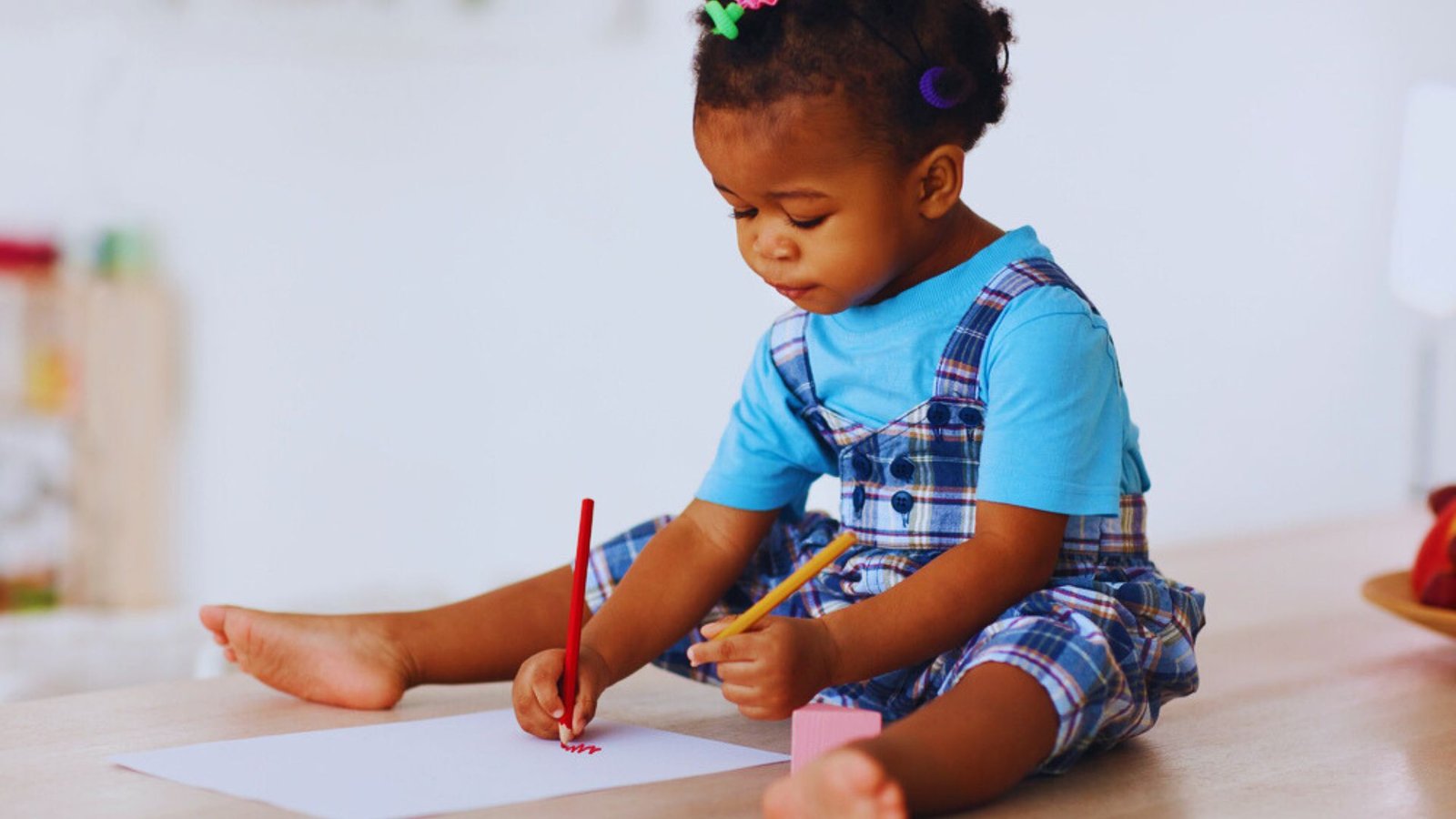
A good routine isn’t just about timing. It’s about giving your toddler a predictable flow that feels safe and calm. Two-year-olds do best with consistent wake and bed times every day – aim for waking between 6:30-7:30 AM and bedtime between 7:00-8:00 PM.
Along with that, three meals and two evenly spaced snacks help keep hunger and fussiness in check. Active play and learning time should also have a spot in the day since toddlers learn best through movement, whether that’s outdoor play, sensory activities, or simple games.
Short bursts of independent play – starting at just 10-15 minutes – build focus and confidence over time. Finally, most 2-year-olds still need one nap lasting 1.5-2.5 hours.
If your child is starting to skip naps, a quiet rest period in the afternoon still does a lot to reset their energy and mood.
Sample Daily Schedule for 2 Year Old at Home

Here’s a realistic sample daily schedule for a 2 year old at home that you can adjust based on your child’s needs.
7:00 AM – Wake Up & Morning Routine
Start with diaper change, getting dressed, and a few minutes of calm play. Keep it low-key so the morning doesn’t feel rushed.
7:30 AM – Breakfast
Offer something simple and filling – oatmeal, eggs, fruit, or toast. Sit together if you can. It sets a calm tone for the day.
9:00 AM – Morning Activity or Outing
This is peak energy time. Go outside, visit the park, do a sensory activity, or read books. Keep it engaging but not overstimulating.
11:30 AM – Lunch
Lunch before nap works better for most toddlers. A full belly makes falling asleep easier.
12:00-2:30 PM – Nap
Stick to the same nap window each day. Use white noise and a dark room if needed.
3:00 PM – Snack & Afternoon Play
Post-nap snack followed by free play or a low-key activity. This is a good time for puzzles, blocks, or pretend play.
5:00 PM – Dinner
Keep dinner simple. Toddlers are often tired by this point, so a calm mealtime helps.
7:00 PM – Bedtime Routine
Bath, pajamas, a book or two, and lights out. A consistent wind-down tells the brain it’s time to sleep.
Daily Schedule for 2 Year Old Daycare Days
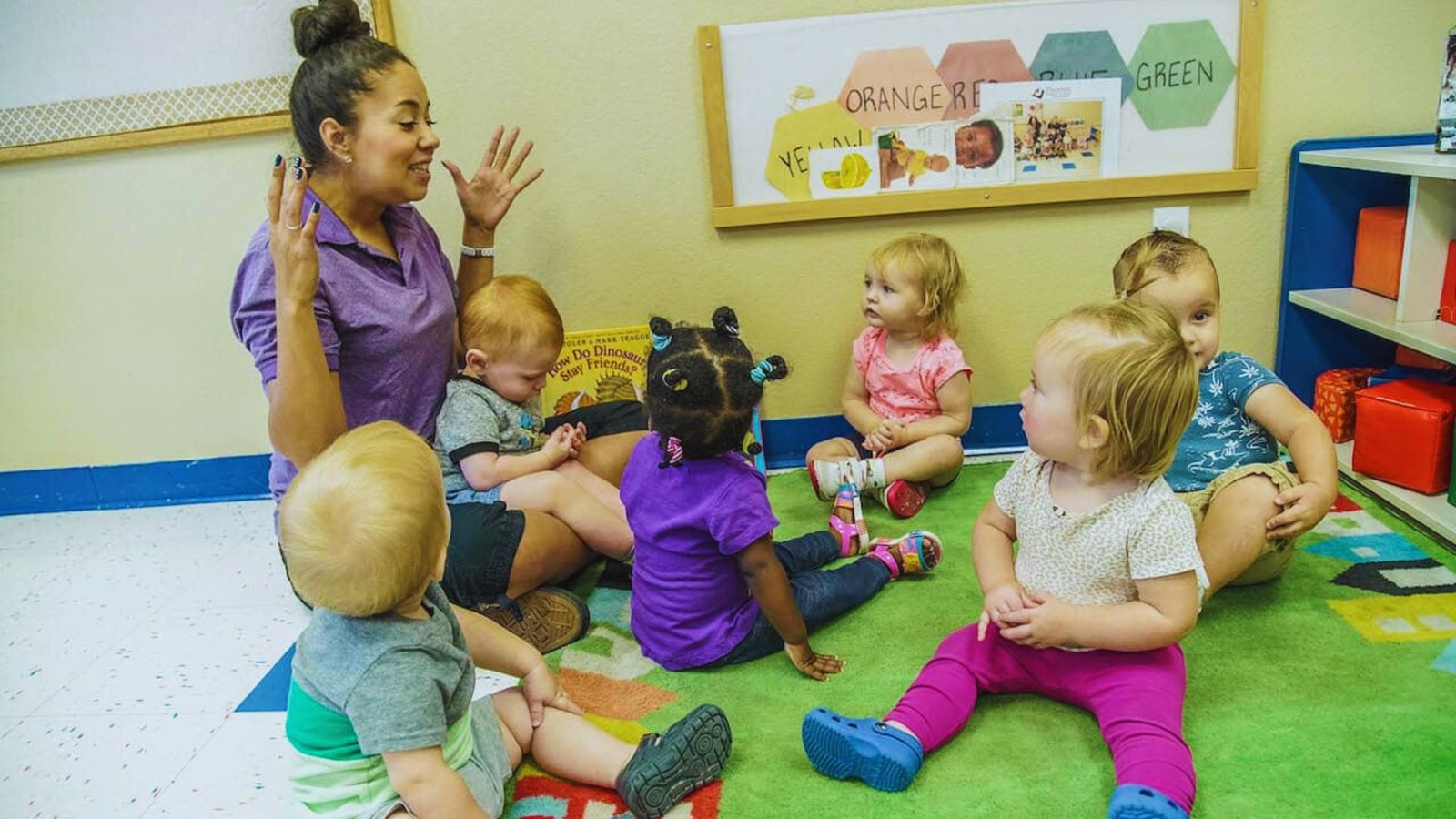
Daycare days have a different rhythm, but you can still support structure at home on both ends.
Morning Drop-Off Routine
Keep drop-off predictable. A short goodbye ritual – a hug, a wave, and a simple phrase like “I’ll pick you up after a nap” – helps reduce separation anxiety.
Try not to linger too long after saying goodbye as it can make the transition harder for both of you. The more consistent your drop-off routine is, the easier mornings will feel over time.
Typical Daycare Classroom Flow
Most daycare centers follow a structured flow: arrival, free play, circle time, snack, outdoor time, lunch, nap, and afternoon activities. Ask your provider for their schedule so you can align home routines with it.
Knowing what your child’s day looks like also helps you talk about it with them at home. Simple questions like “what did you do outside today” go a long way in building connections.
Evening Wind-Down After Daycare
Toddlers come home tired and sometimes overstimulated after daycare. Skip errands when you can. Offer a snack, allow calm play, and move into dinner and bedtime without too many transitions.
Keep the evening simple and low energy so your child has time to decompress before sleep. A quiet and familiar home routine after daycare makes bedtime much smoother for everyone.
Daily Schedule for 2 Year Old Classroom Example
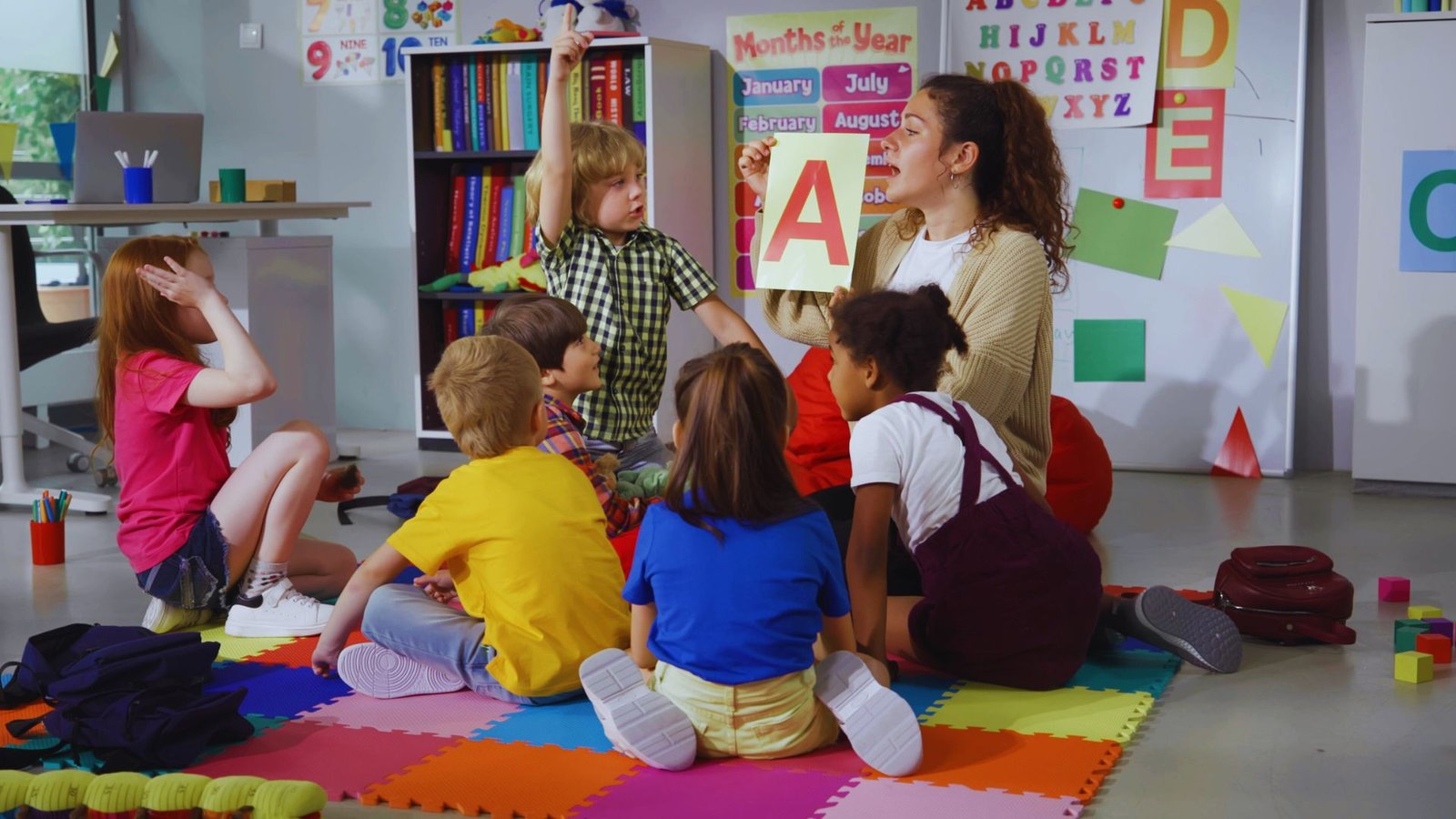
A well-run classroom schedule for 2-year-olds is built around short, focused blocks of time with plenty of movement in between.
Start the Day With Circle Time and Learning Centers
Most classrooms kick off with 10-15 minutes of circle time – songs, simple stories, and group activities that help toddlers practice listening and taking turns. After that, small groups rotate through learning stations like art, blocks, books, and sensory play.
These short rotations work well because they match how long a toddler can actually focus before needing something new.
Include Outdoor Play and a Rest Period
At least 30-45 minutes outside gives kids a chance to release energy and work on gross motor skills like running, climbing, and jumping. Most programs schedule this before or after lunch.
Then classrooms dim the lights, play soft music, and move into nap or quiet time. Children who don’t fall asleep are still expected to rest quietly, and that same approach works really well at home too.
Good Daily Schedule for a 2 Year Old

A good daily schedule for a 2 year old is less about perfect timing and more about building a flow that works for your child.
Follow Age-Appropriate Wake Windows and Limits
Most 2-year-olds can handle 5-6 hours awake before needing a nap. Pushing past that window often leads to overtiredness and more meltdowns.
Try to cap screen time at one hour a day and keep it intentional, not just background noise. Watching what you pick matters more than how long the screen is on.
Build In Play and Stay Flexible
Set up a safe space for independent play daily and step back. It feels hard at first but toddlers adjust faster than you think.
Growth phases like teething or sleep regressions will come up, so adjust the schedule as needed without dropping it completely. A little flexibility keeps the routine working long term instead of falling apart under pressure.
Tips to Make Any Daily Schedule for 2 Year Old Successful
Small habits make a big difference when it comes to sticking with a routine.
- Keep wake and bedtime the same every day, including weekends.
- Plan meals loosely for the week so you’re not guessing at every mealtime.
- Set out activities the night before to make mornings run smoothly.
- Expect off days – they happen and don’t ruin the whole routine.
- Watch your child’s energy cues and adjust the schedule when needed.
- Keep transitions simple and give a heads-up before switching activities.
- Stay consistent even when it feels repetitive – that’s what makes it work.
Conclusion
Building a daily schedule for a 2 year old doesn’t mean running your home like a classroom. It simply means giving your child a rhythm they can count on. From my own experience, even a loose structure made our afternoons calmer and bedtime so much smoother. Start small.
Pick two or three anchor points in the day and slowly build from there. Some days will go off track and that’s completely fine.
Progress always matters more than perfection. If this helped you, drop a comment below and share what’s working in your routine – I’d love to hear it!
Frequently Asked Questions
What is a good wake time for a 2 year old?
Most 2-year-olds do well waking between 6:30 and 7:30 AM. A consistent wake time helps regulate their sleep schedule and nap timing throughout the day.
How long should a 2 year old nap?
A typical nap at this age lasts between 1.5 and 2.5 hours. Some children nap shorter or start dropping naps closer to age 3, so watch your child’s cues.
What time should a 2 year old go to bed?
A bedtime between 7:00 and 8:00 PM works well for most toddlers. Earlier bedtimes often lead to better sleep rather than earlier wake-ups.
How much independent play should a 2 year old have?
Start with 10-15 minutes of solo play and increase gradually. By age 2, many children can manage 20-30 minutes independently with a safe setup and nearby adult.
What should a 2 year old’s meal schedule look like?
Three meals and two snacks spread throughout the day works best. Space them every 2-3 hours to keep blood sugar steady and reduce mealtime meltdowns.