Every parent and teacher wants kids to feel okay inside, not just on the outside. Mental health activities for kids can make a real difference, and I’ve seen it firsthand.
In this article, I’ll share 7 simple, proven activities that help children manage big feelings, build confidence, and stay calm.
These aren’t just ideas. They actually work. You’ll find options that fit both home and school. I’ve spent years working with kids and know that small daily habits build real emotional strength over time.
Let’s get into what works and why it matters for your child.
Why Mental Health Activities for Kids Matter
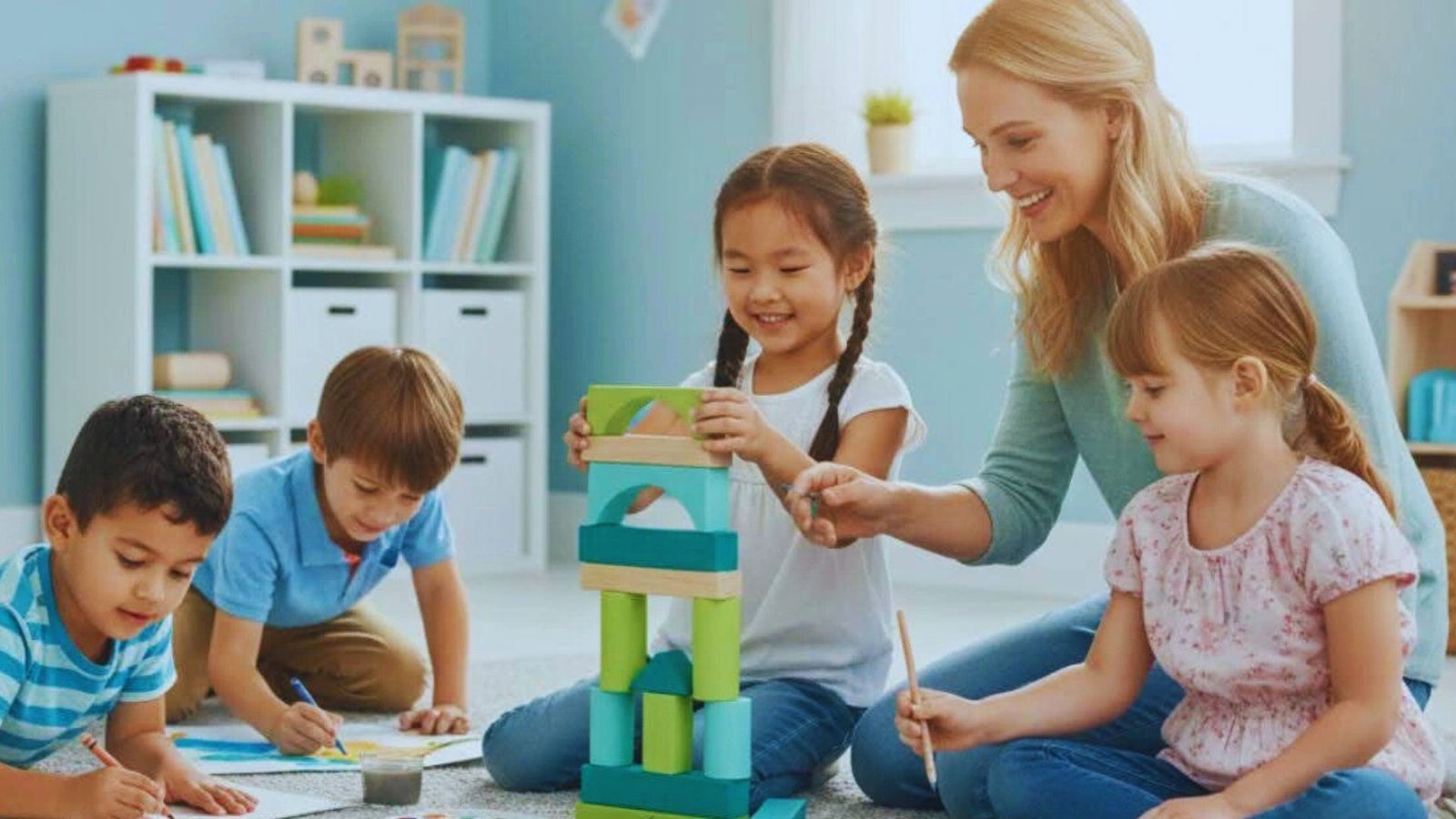
Young children feel big things, but they don’t always have the words for it. When kids learn to name and understand their emotions early, they handle stress better as they grow. Self-awareness is one of the most valuable skills a child can build, and it starts with small, consistent practices.
Kids who feel good emotionally tend to focus better in school, show more confidence around others, and display calmer behavior overall. Mental wellness practices reduce anxiety and help the brain function better because a supported brain is a focused brain. Good habits started young also tend to stick.
A child who learns to breathe through frustration or talk openly about sadness grows into an adult who handles hard moments with more ease. These activities are not just tools for tough days. They are life skills that shape how a child thinks, feels, and connects with the world around them.
7 Mental Health Activities for Kids That Really Work
Simple, fun, and proven practices that help kids feel calmer, stronger, and more in control of their emotions.
1. Be the Pond (Mindfulness Visualization)
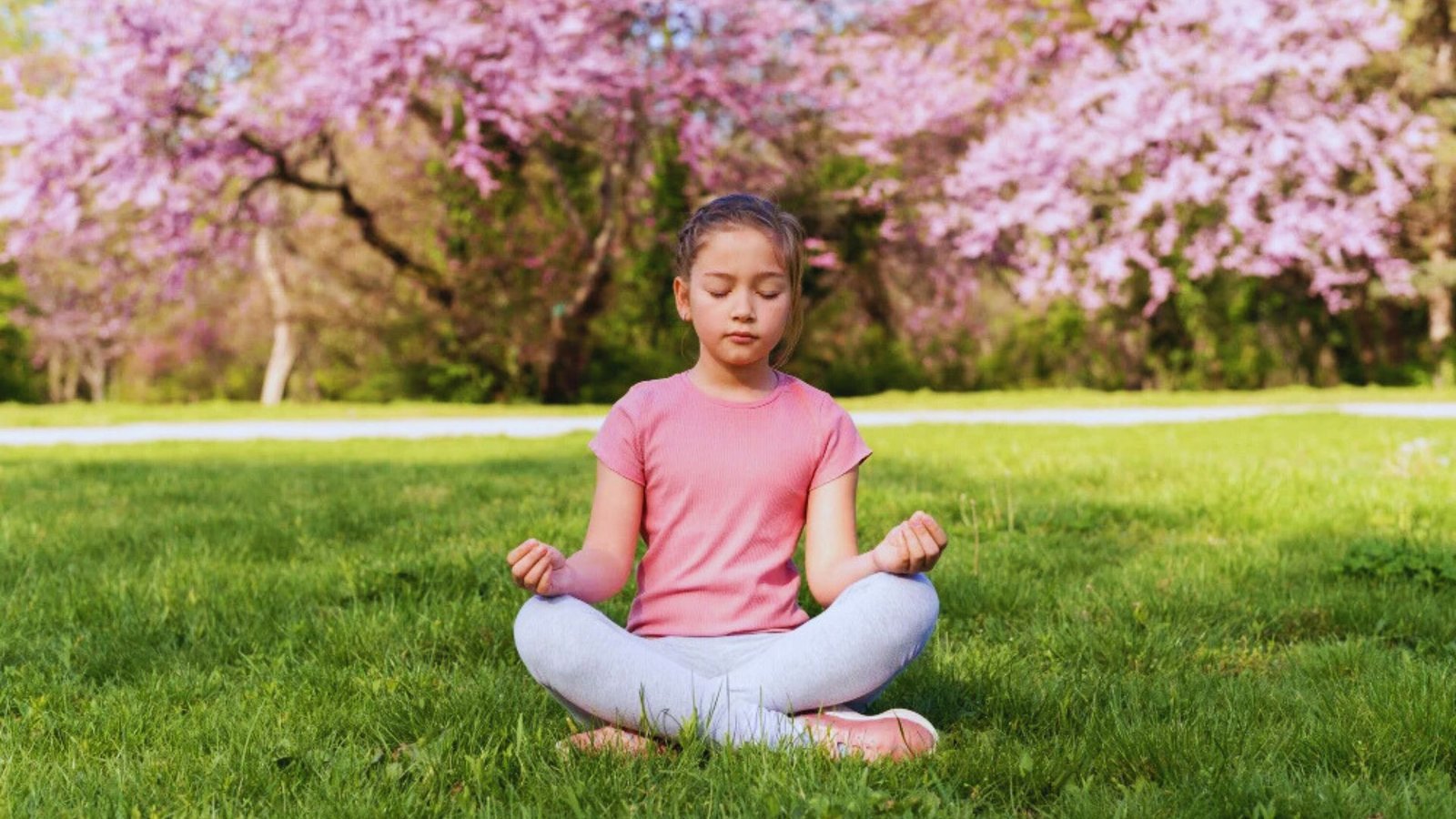
Ask the child to close their eyes and picture themselves as a still pond. When a feeling comes, it’s just a ripple. It moves across the surface and fades. This activity teaches kids that emotions are temporary.
They don’t have to act on every feeling. Practicing this for just a few minutes each day builds emotional regulation over time. It’s calm, quiet, and effective.
2. Make a Magical Worry Box
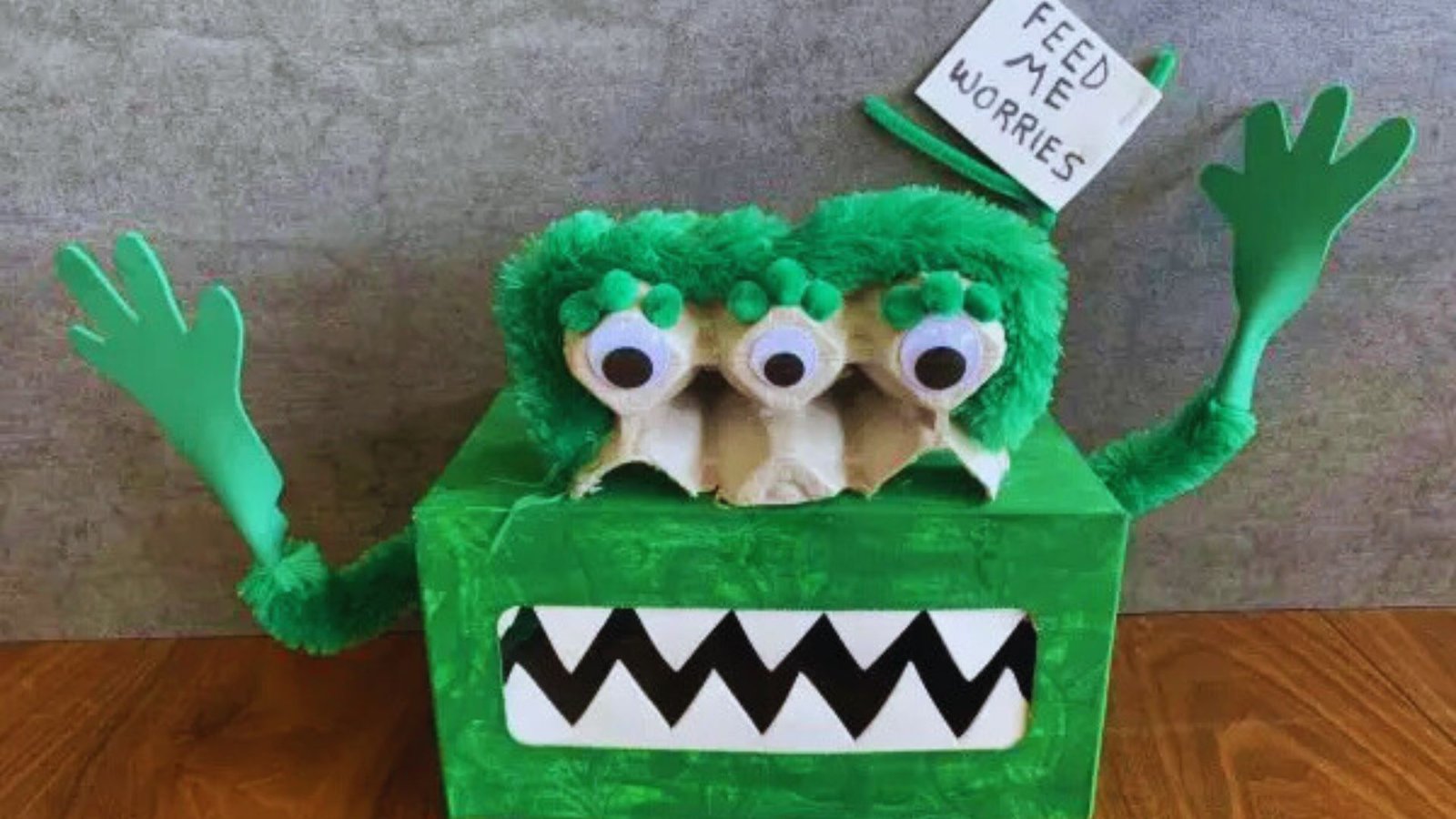
Get a small box and decorate it together. When a child feels worried, they write or draw the worry on a piece of paper and put it in the box. The act of putting the worry away signals to the brain that it’s handled.
This is one of the most fun mental health activities for kids because they get to make something. It also opens doors for conversations about what’s bothering them.
3. Finger Breathing for Instant Calm
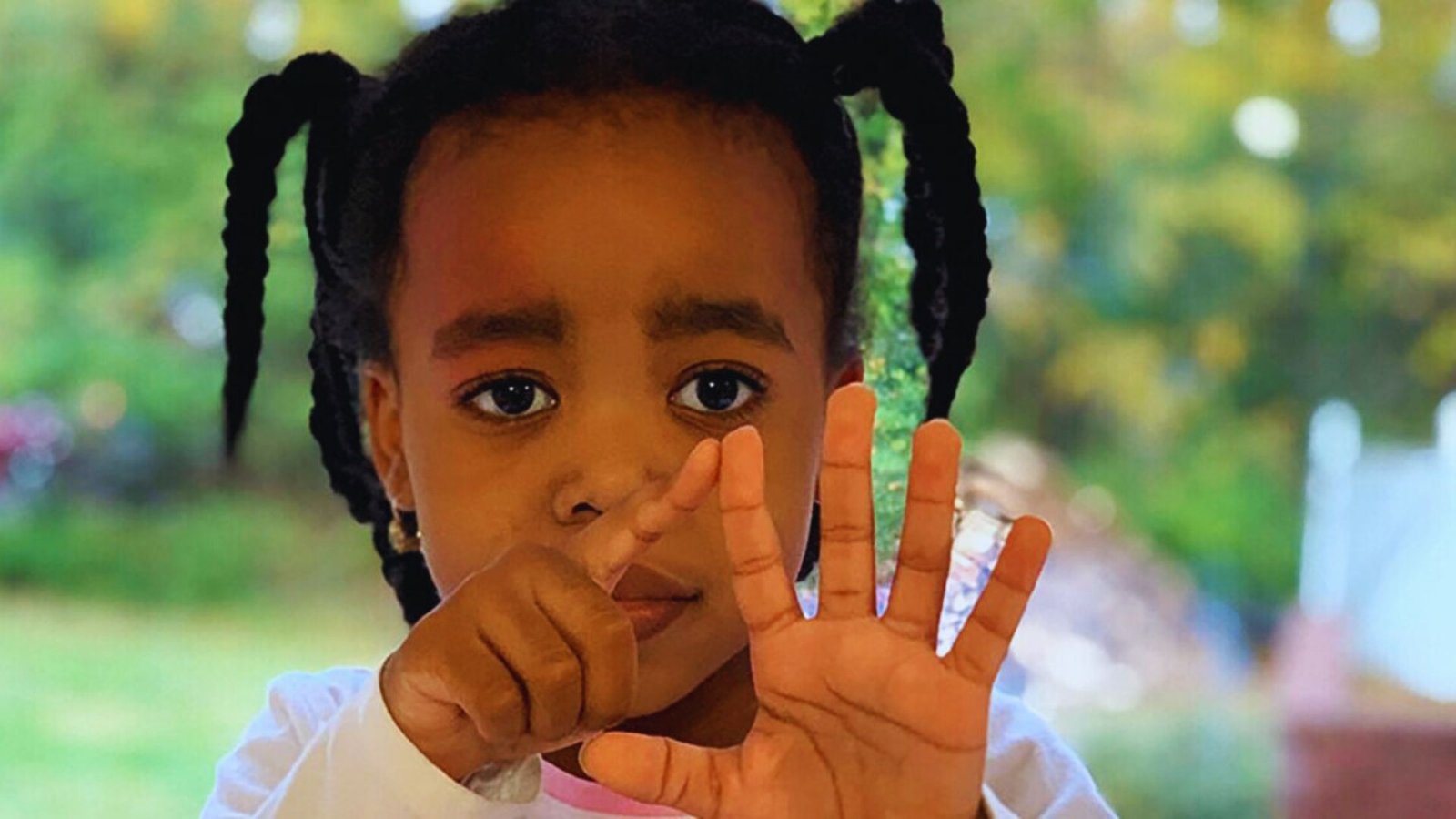
Hold one hand up with fingers spread. Use the other index finger to trace up and down each finger while breathing in on the way up and out on the way down. Five fingers, five breaths. Done.
This is perfect as a mental health activity for kids in school because it’s quiet, fast, and doesn’t require any materials. Teachers love it for transitions and difficult moments.
4. Create a Mind Jar to Explain Big Feelings

Fill a clear jar with water, glitter glue, and glitter. Shake it up when a child is upset. Watch the glitter swirl around, then slowly settle. This shows kids that when they feel overwhelmed, their mind is like the jar.
If they rest and breathe, things settle. It’s a simple but powerful way to explain emotional regulation without long explanations.
5. Build a “Team of Superstars”

Ask the child to name three to five people, real or fictional, who they think are brave, kind, or strong. Write their names on a card or draw their faces. This becomes their “team.”
When something feels hard, they can ask themselves: what would one of these people do?
This activity builds positive thinking and confidence. It also helps kids internalize good values in a way that feels fun.
6. Try Kids Yoga and Movement
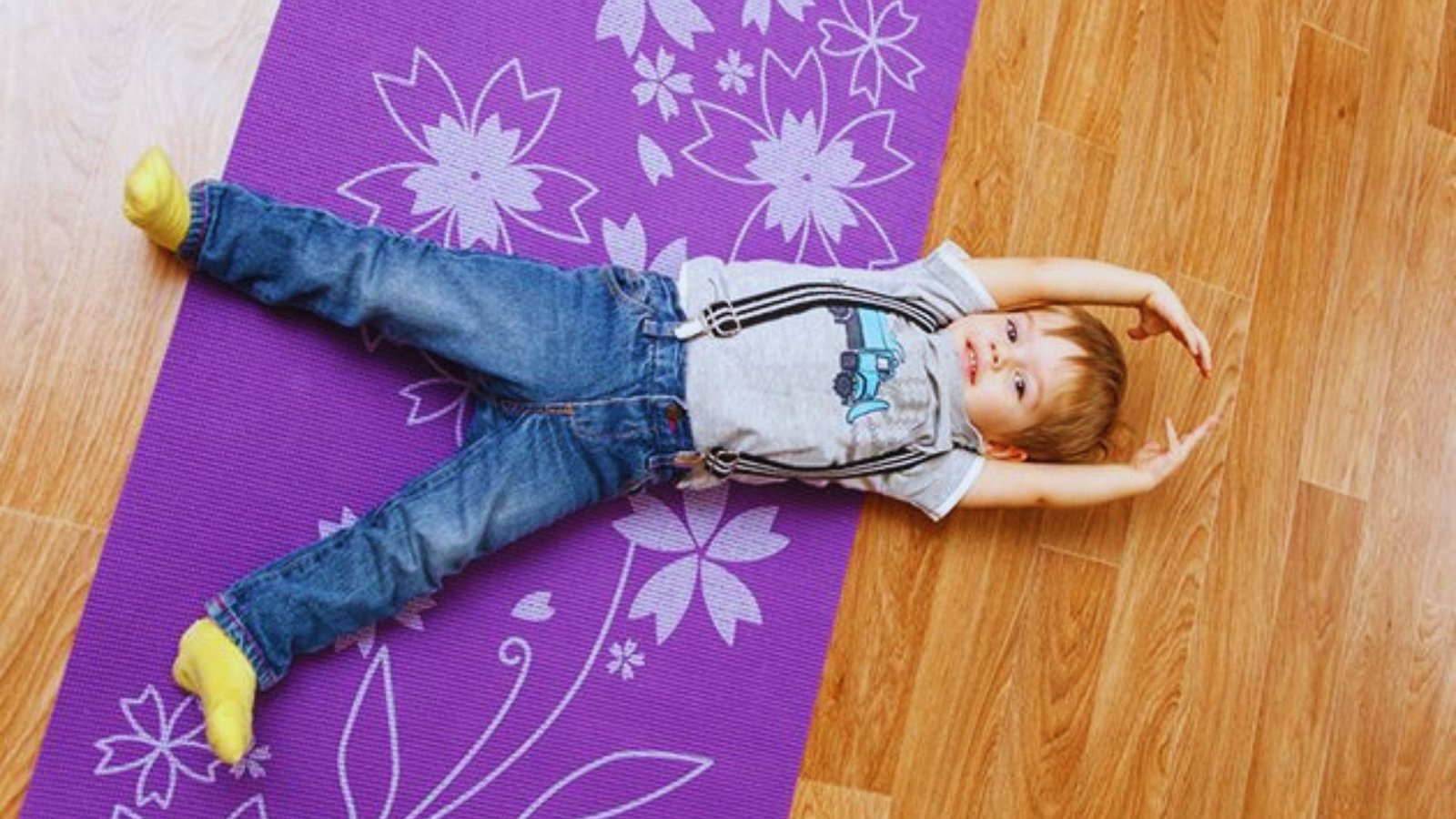
Kids yoga doesn’t need to be formal. A few simple poses, a song, and some movement go a long way. Physical activity releases tension stored in the body and boosts mood through natural brain chemicals.
Even five minutes of stretching or dancing helps. This is especially useful for kids who struggle to sit still or express emotions through words. Movement gives the body a way to process feelings.
7. Send Love and Practice Kindness
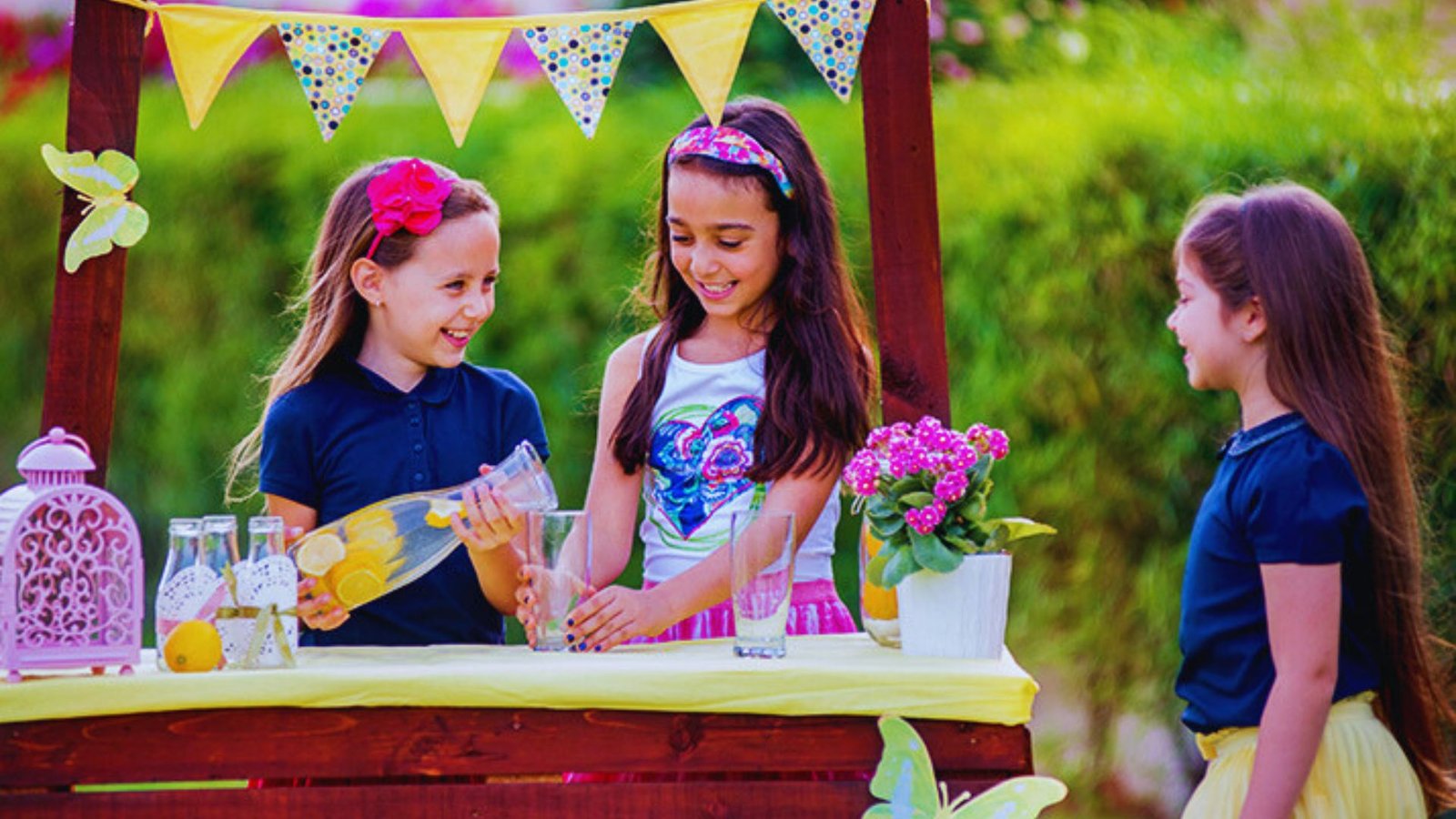
This can be a bedtime ritual or a simple craft. Ask the child to think of someone they care about and send them a good thought. They can draw a card, say a quiet wish, or write a note.
Practicing kindness and gratitude shifts focus away from stress. Over time, kids who practice this tend to feel more connected and less anxious. It’s small, but it matters.
Mental Health Activities for Kids in School and at Home
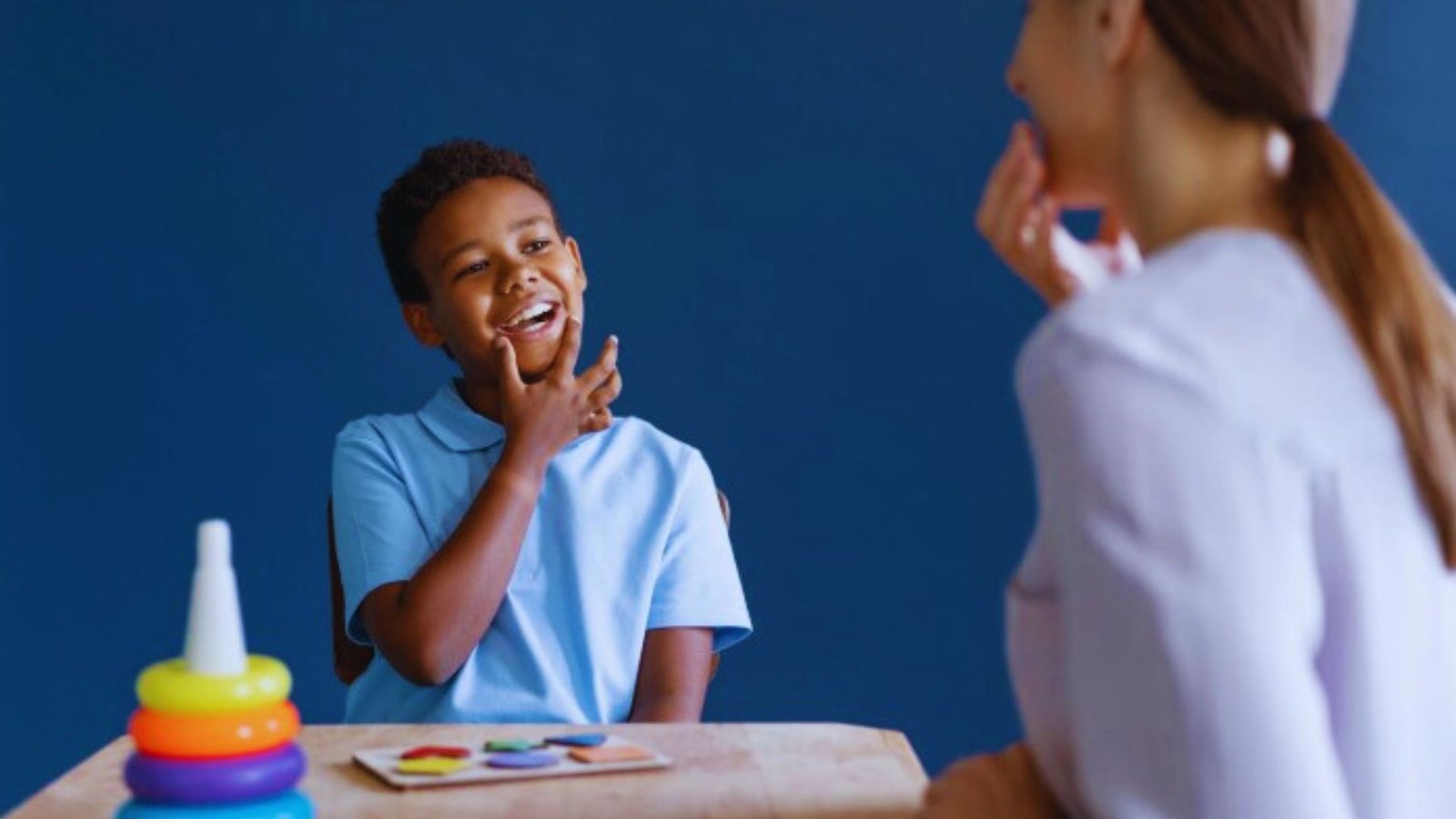
Simple ideas that work in any setting, from classrooms to bedrooms.
Easy Classroom-Friendly Wellness Routines
Teachers don’t need extra time to add wellness to the day. Finger breathing before a test, a quick check-in at morning circle, or a calm-down corner in the room can shift the emotional tone of a whole class. Short and consistent works better than long and occasional.
How Parents Can Reinforce Emotional Skills Daily
Parents can bring these activities into normal routines. Bedtime is a great time for the “send love” practice or a worry box moment. Car rides work well for talking about feelings.
The goal isn’t a scheduled wellness session. It’s weaving emotional check-ins into what you’re already doing.
Making Mental Health Part of Everyday Learning
When adults treat emotional health as part of daily life, kids follow. Name your own feelings out loud sometimes.
Say “I feel frustrated right now, so I’m going to take a breath.” Kids learn from watching. Normalizing emotional conversations makes it easier for children to open up.
Create a Mental Health Activities for Kids PDF Toolkit
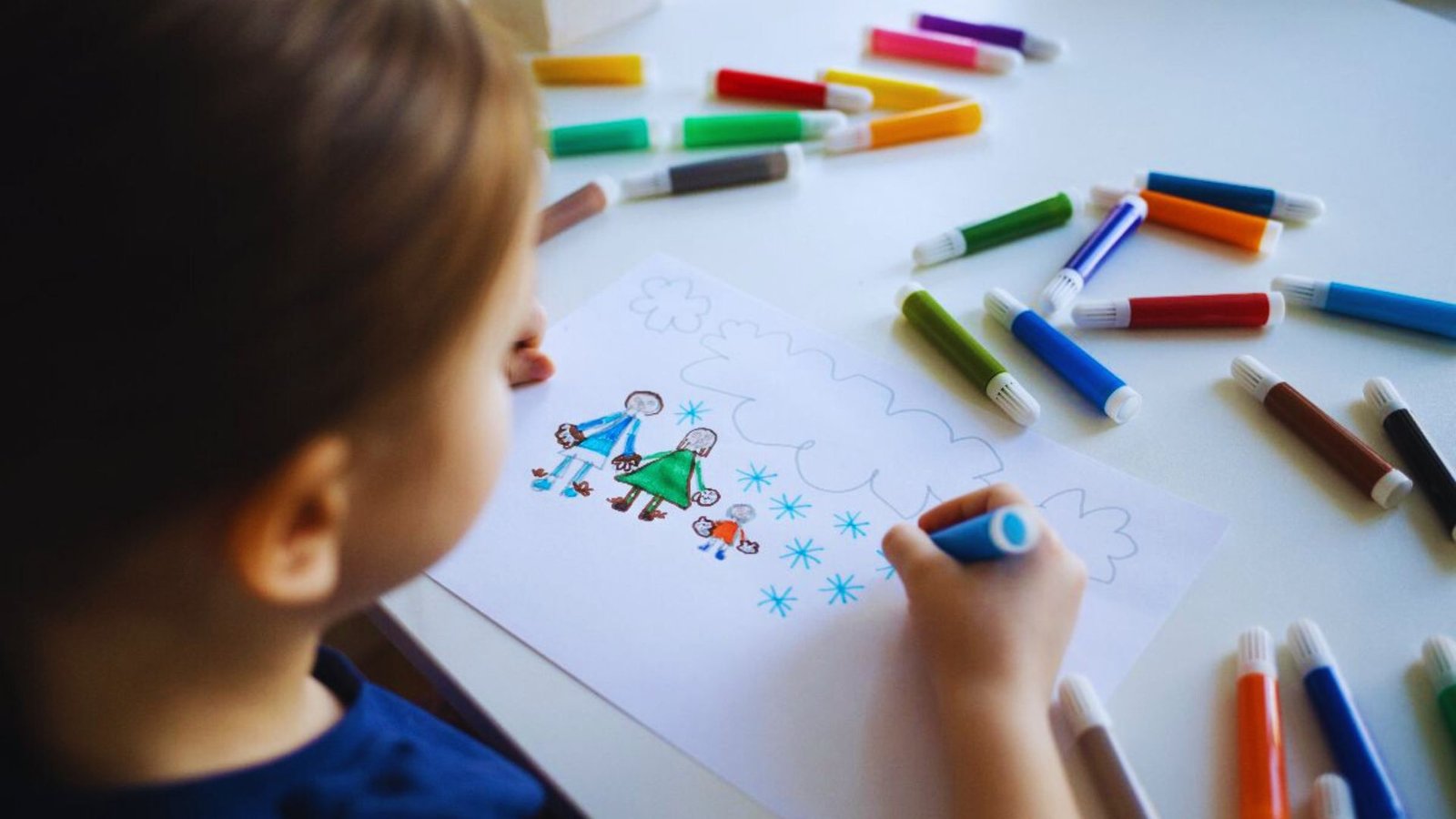
A simple printable pack that makes it easy to stay consistent.
What to Include in Your Printable Pack
A good toolkit has a one-page guide for each activity, a feelings chart, a weekly planner, and a printable worry box template.
Keep it visual and child-friendly. Simple illustrations work better than dense text for young readers.
How Teachers Can Send It Home
Print and staple a packet to send home at the start of the month. Include a short note to parents explaining how each activity works.
This builds a connection between school and home, making the practices more effective.
Turning Activities Into a Weekly Wellness Plan
Pick one activity per day. Monday for mindfulness, Tuesday for movement, and so on. Consistency is more important than variety.
A simple weekly plan posted on the fridge or classroom wall makes it easy to follow without much planning.
Tips for Making Mental Health Activities for Kids a Daily Habit
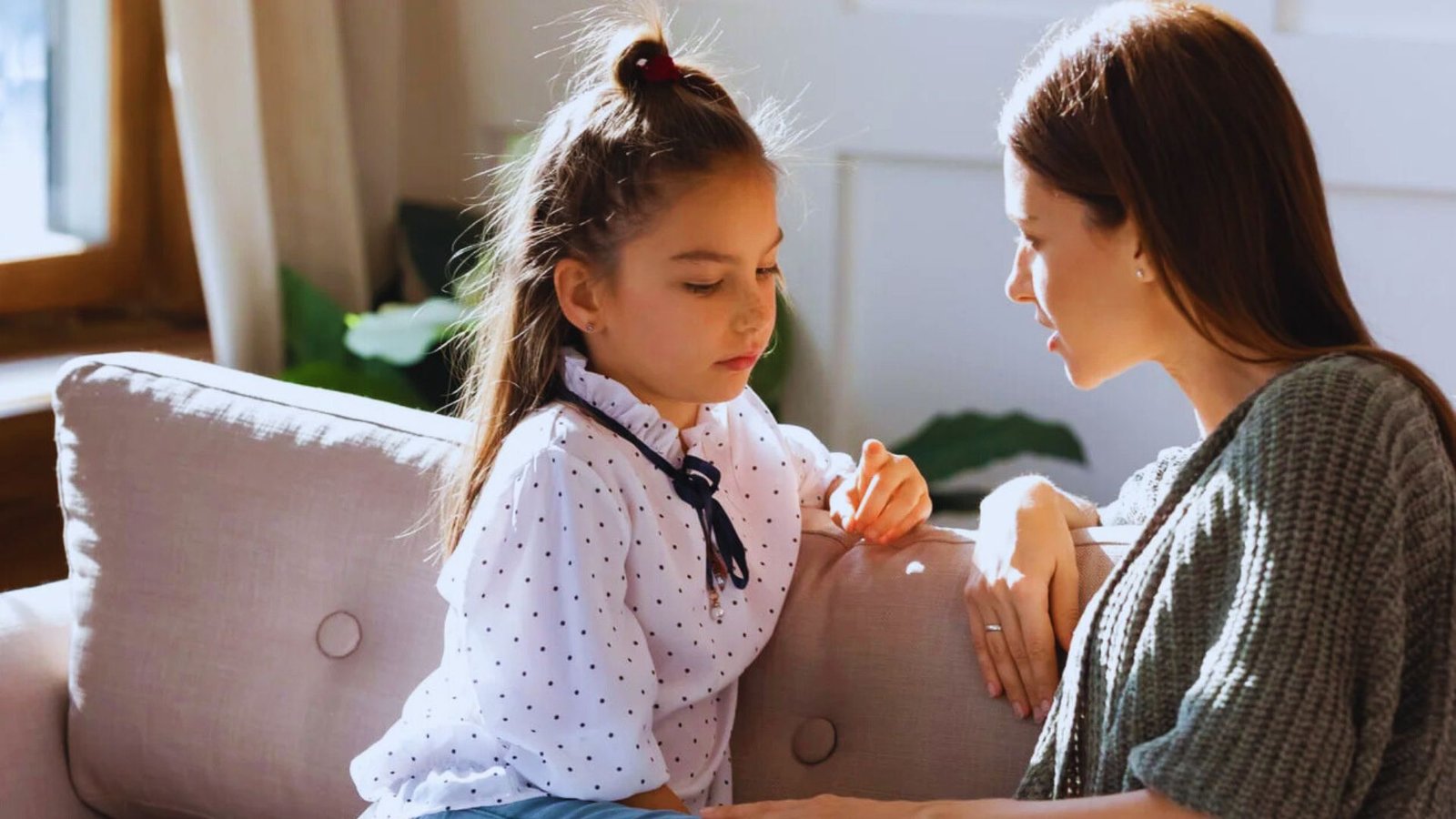
Building emotional habits in kids takes consistency, not perfection.
- Match the activity to the child’s age. Keep it simple, visual, and fun so they actually want to do it again.
- Practice on calm days, not just hard ones. Skills need to be built before they are needed.
- Attach a wellness activity to something already in your routine, like breakfast or bedtime.
- Five minutes every day works better than one long session once a week.
- Let kids have a say in which activity they do. Choice builds buy-in.
- Name your own feelings out loud as an adult. Kids learn emotional skills by watching the people around them.
- Stay consistent. Small repeated actions over time create lasting emotional strength in children.
Conclusion
I know how much you care about the kids in your life. Finding the right tools can feel hard, but it doesn’t have to be. These mental health activities for kids are simple, proven, and doable.
I started using the mind jar with my own nephew, and the change in how he talked about his feelings was real. Start with one activity this week. See how it feels.
If this helped you, share it with another parent or teacher who needs it. And I’d love to hear which activity you’re going to try first. Drop it in the comments.
Frequently Asked Questions
What age are mental health activities for kids most effective?
Most of these activities work well for children between the ages of 3 and 12. They can be adjusted based on the child’s level of understanding and attention span.
How often should kids do mental health activities?
Daily practice gives the best results, even if it’s just five minutes. Short and consistent routines build stronger emotional habits than occasional long sessions.
Can these activities replace professional therapy?
No. These activities support emotional wellness but are not a substitute for professional help. If a child shows signs of serious distress, speak with a qualified mental health professional.
Are mental health activities for kids useful in schools?
Yes. Teachers use them for classroom calm-down routines, transitions, and social-emotional learning. Many of these activities require no materials and take just a few minutes.
How do I know if a mental health activity is working for my child?
Look for small signs over time. A child who starts talking more about their feelings, stays calm longer, or recovers faster from upsets is showing real progress. Growth is gradual, not instant.