If your child suddenly refuses to sleep without a light on, you are not alone. Fear of the dark is one of the most common childhood fears, and I have seen it up close as a parent myself.
In this article, I will walk you through when kids get scared of the dark, why it happens, and what you can do to help. You will also learn how to tell real fear apart from bedtime stalling.
With over a decade of parenting content research behind this guide, you can trust the advice here is practical and grounded in child development.
Understanding Fear of the Dark in Children
Fear of the dark is one of the most common childhood fears, and it is completely normal. Most children go through this phase between ages 2 and 6. It is not a sign that something is wrong. It is actually a sign that their brain is growing the way it should.
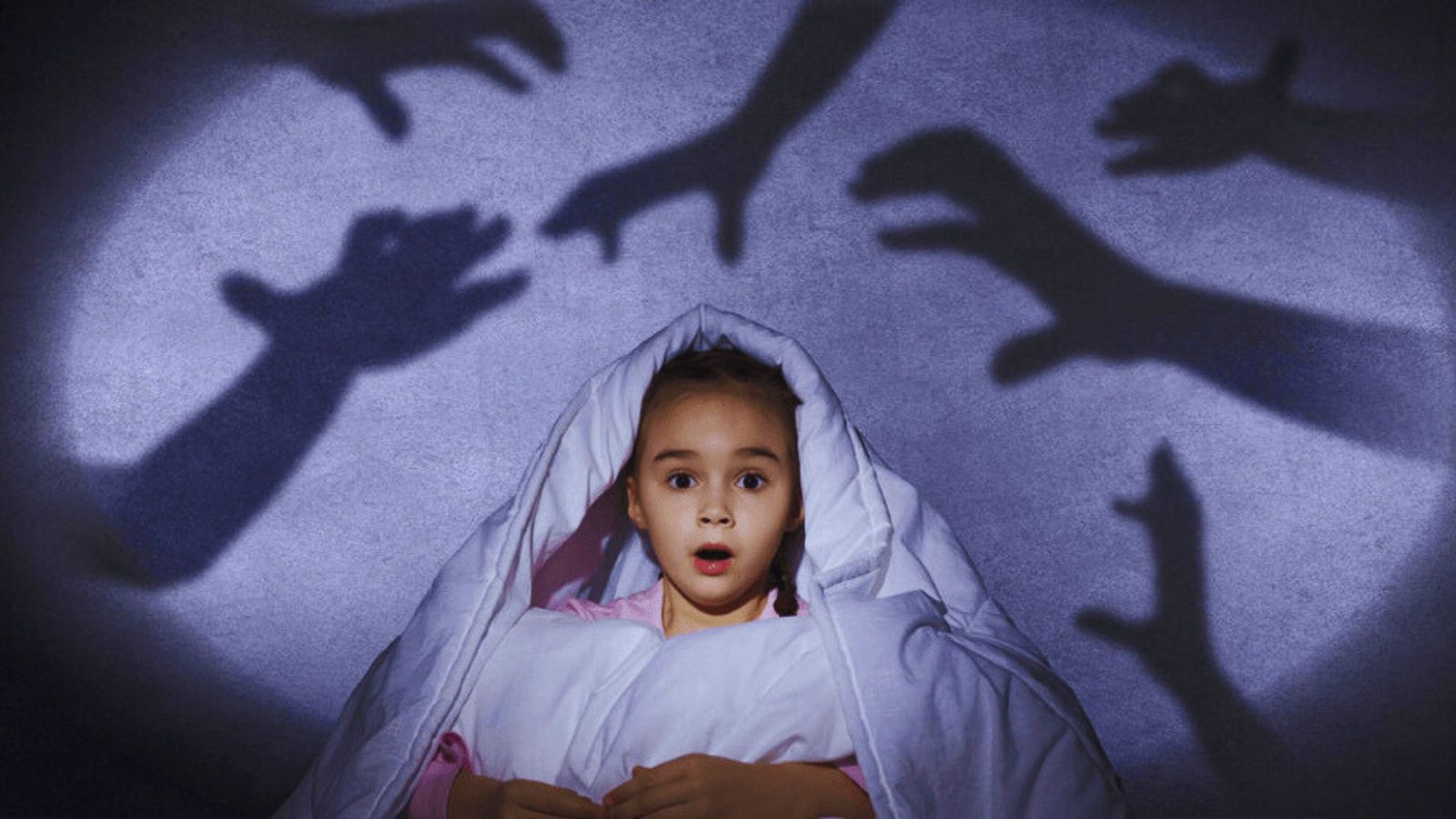
As imagination develops, kids start filling in what they cannot see. In the dark, that means shadows become figures and small sounds feel threatening. They also cannot yet tell the difference between what is real and what is made up, so the fear feels very genuine to them.
What surprises most parents is how fast it appears. One night everything is fine. Next, bedtime becomes a struggle. This usually lines up with a developmental leap where imagination starts moving faster than logic. It feels sudden, but it has been building quietly all along.
When Do Kids Get Scared of the Dark?
This section covers the most common ages when kids get scared of the dark and what to expect at each stage.
The Most Common Age Range (2-6 Years)
Most children develop a fear of the dark somewhere between ages 2 and 6. This is the peak window. It does not mean every child will experience it, but most do at some point during these years.
Why It Often Starts Around 2½-3 Years Old
Around age 2½ to 3, children hit a big imagination milestone. They start engaging in pretend play, telling stories, and believing in things like Santa or the tooth fairy. That same imagination can also conjure monsters under the bed.
At this age, they also become more aware of their own vulnerability. They know they are small. They know the world is big. Darkness removes the visual cues that make them feel safe.
Can Babies Be Afraid of the Dark?
Not in the same way. Babies do not have the imagination development needed to fear what they cannot see. They may prefer light because it is familiar, but that is different from fear.
True fear of the dark typically does not appear until closer to age 2 when imagination begins to take shape.
Is It Normal for a 5 or 6 Year Old?
Yes. Some children develop this fear later or carry it a bit longer. A 5 or 6-year-old who is scared of the dark is still within the normal range. It becomes a concern only if the fear is severe, getting worse over time, or affecting daily life in big ways.
Why Do Kids Develop a Fear of the Dark?
Several factors fuel nighttime fears in children. Understanding them helps parents respond with more patience and less guesswork.
How the Growing Brain Creates Fear
Between ages 2 and 6, imagination grows fast. The brain starts producing vivid mental images even without anything to look at. In the dark, that ability runs wild. At the same time, young children genuinely cannot tell the difference between what is real and what is not.
A scary story feels just as real as an actual event. A shadow from a coat on the door looks like a figure. A sound from the heater sounds like footsteps. Their brain has not yet learned to filter these signals as harmless, so the fear feels completely real to them.
What Makes the Fear Stronger Over Time
Fear does not always start from inside the home. A ghost story from a classmate, a spooky book, or an older sibling’s show playing in the background can plant ideas that stick. On top of that, stress and big life changes make everything worse.
Starting school, welcoming a new sibling, or simply missing sleep can push a child’s anxiety higher. When kids feel out of control during the day, nighttime tends to feel much less safe.
Signs Your Child Is Scared of the Dark
Knowing the signs helps you respond early before the fear becomes a bigger habit.
Bedtime Resistance and Clinginess
A child who suddenly does not want to go to bed, or who clings to a parent at bedtime, may be dealing with nighttime fear. They feel safe with you and unsafe alone in the dark.
Talking About Monsters or Ghosts
If your child starts mentioning monsters, ghosts, or “something in the room,” take it seriously even if you know nothing is there. To them, it feels real.
Night Wakings and Bad Dreams
Frequent waking in the middle of the night or having nightmares can both connect to fear of the dark. The brain stays on alert even during sleep.
Avoiding Dark Rooms
Watch if your child starts refusing to go into dark rooms during the day, including bathrooms, hallways, or their bedroom. That avoidance is a clear sign the fear is growing.
How to Help a Child Who Is Scared of the Dark
These practical steps have helped many families move through this phase with less stress.
Respond With Calm and Reassurance
The words you use matter. Say “I understand you feel scared” instead of “There is nothing to be scared of.” The first opens the door for your child to feel heard. The second shuts it down.
After acknowledging their feelings, calmly walk through the room together and show them it is safe. A soft, warm-toned night light also helps. It gives children a visual anchor in the dark without disrupting their sleep the way a bright light would.
Build a Routine That Feels Safe and Predictable
Anxiety shrinks when kids know what to expect. A consistent bedtime routine, bath, book, song, lights out, same time every night, helps a child feel in control.
Pair that with a comfort object like a stuffed animal or special blanket. It is not a crutch. It is a healthy tool that gives them something steady to hold onto when the lights go off.
Teach Real Coping Skills Instead of Quick Fixes
Simple breathing works even for toddlers. Try breathing in for 4 counts, holding for 2, and out for 4. It calms the nervous system and gives kids something to do with their fear.
Skip the monster spray, though. It sounds sweet, but it quietly confirms that monsters are real. Focus instead on building genuine confidence so your child learns to self-soothe over time.
Tips for Preventing Fear of the Dark
Here are a few simple habits that can help keep nighttime fear from taking hold:
- Keep evenings calm and quiet before bed
- Turn off screens at least 30-60 minutes before sleep
- Check books and shows for scary content, even kid-friendly ones
- Build a short, predictable wind-down routine every night
- Make the bedroom feel fun and personal to your child
- Stick to a consistent bedtime to avoid overtiredness
- Read light, happy books together in the bedroom before lights out
Conclusion
Parenting through fear of the dark takes patience, and I know some nights feel really long. But this phase passes. Most children grow out of it naturally with the right support and a calm, consistent response from you.
Trust yourself. You know your child best. Use the tips here, stay steady, and give it time. If the fear feels extreme or is not improving, talking to your child’s doctor is always a good next step.
Did this help? Drop a comment below or share this with another parent who needs it tonight.
Frequently Asked Questions
At what age do kids usually stop being scared of the dark?
Most children move past fear of the dark by age 6 to 8. With consistent support and good sleep habits, the fear typically fades on its own as reasoning skills develop.
Should I leave the light on for my scared child?
A dim night light is fine and often helpful. A very bright light can disrupt sleep, so keep it soft and warm rather than bright and stimulating.
Can watching cartoons cause fear of the dark?
Yes, even mild or child-friendly content can include scary imagery that sticks with young children. Limiting screen time close to bed helps reduce this effect.
What should I say when my child says there are monsters?
Avoid dismissing their fear or confirming that monsters exist. Instead, calmly show them the room is safe and reassure them that you are nearby and they are protected.
When should I be concerned about my child’s fear of the dark?
Seek guidance if the fear is intensifying over time, causing serious sleep disruption, or affecting your child’s daily life. A pediatrician or child therapist can offer additional support.